

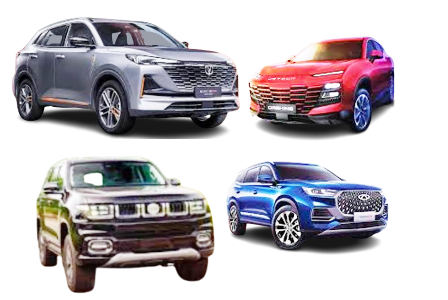
Nigeria’s 2026 automotive market blends locally assembled vehicles with select imports, driven by government pushes for local production and potential used-import bans. These models address diverse needs- from budget sedans to luxury SUVs and emerging EVs/CNGs- with features like off-road prowess and hybrid tech and fuel challenges.
As the National Automotive Industry Development Plan (NAIDP) nears passage, the industry accelerates.
Locally Assembled Picks
Changan CS55 SUV: Assembled and marketed in Nigeria by Mikano Motors, 2026 model, the CS55 Plus brings refreshed styling, more advanced tech features and even hybrid options. This position it well for future buyers interested in both tech and efficiency. It is budget-friendly compared to its rivals Toyota RAV4 and Honda HR-V. It costs between N22 -25 million.
Chery Tiggo 8: Tiggo 8 especially its Pro and Hybrid version, is a strong contender to watch in Nigeria 2026. With its blend of luxury, advanced tech (large screens, qualcomm 8155 chip), powerful yet efficient engines and impressive value, it offers features comparable to more expensive brands for less, making it compelling family SUV choice with great practicality and modern design.
Jetour Dashing: Crowned Car of the Year by Nigeria Auto Journalists Association (NAJA), Dashing is a modern, tech-filled compact SUV that offers blend of futuristic design, advanced driver-assistance systems(ADAS), and premium features, challenging established players by providing strong value for money. This makes it a strong contender in the Nigerian market.
Innoson IVM G6 SUV: Boasts 70% local parts for affordability (around ₦12-33 million), rugged 4WD for Nigerian terrains, and electric variants like IVM Link for future-proofing
Stallion Hyundai Kona Electric: Nigeria’s first locally assembled EV with fast-charging and class-leading range, compact for urban Lagos driving, assembled in Gbagada
Dangote Peugeot 301: Entry-level sedan with 1.6L engine (115 HP), durable for daily commutes, and modern tech at competitive prices to boost local patronage
Stallion Hyundai Grand i10: Compact sedan with 1.25L Dual VTVT engine, manual/auto options, and expressive interiors for family use
Innoson Carrier Pickup: 4WD workhorse (₦6-7 million) with high payload for commercial needs, emphasizing indigenous durability
Imported Highlights
Toyota Hilux Adventure (2026): Dominates pickups with 25% market share, updated off-road features like advanced suspension for rough roads, and refreshed design
Lexus RX 350: Luxury hybrid SUV with velvety ride, plush seats, and status appeal for elites in Abuja/Lagos
Kia K4 Sedan/Hatchback: Aggressive styling, dual 4-cylinder engines, dashboard screen wall, and driver aids at low entry price
Honda CR-V Hybrid (2026): Compact crossover with agile handling, fuel efficiency, comfortable seats, and easy parking
Top Most Fuel-Efficient Petrol Cars of 2026
Cars expected in Nigeria for 2026 vary significantly in fuel efficiency, with hybrids and EV leading among imports while locally assembled models prioritise affordability and durability over peak mpg ratings. Efficiency figures are based on manufacturer estimates or global standards (combined city/highway in km/1 or MPG equivalents), adjusted for real-world Nigerian conditions like traffic and fuel quality.
Fuel Efficient Table
Model Type Engine/Power
train Efficiency (Combined)
Changan CS55 Local SUV 1.5 L
(1498cc) 12-20km/L
Chery Tiggo 8 Local SUV 2.0L 187 KW 1.3L/100km
Jetour Dashing Local SUV 1.5L (1498cc) 1L/100KM
Innoson IVM G6 SUV Local SUV 2.0 petrol/4WD 10-12Km/l
Stallion Hyundai Kona Electric Local EV Eclectic (50 KWh battery) 4-5km/kWh
Dangote Peugeot 301 Local Sedan 1.6L petrol (115 HP) 14-16 km/l
Stallion Hyundai Grandi10 Local Hatch 1.25L petrol 18-20 km/l
Innoson Carrier Pickup Local Pickup 2.4L diesel/4WD 12-14 km/l
Toyota Hilux Adventure Imported Pickup 2.8L diesel (204 HP) 12-14 km/l
Lexus RX 350 Imported SUV 3.5L V6 hybrid 10-12 km(45 MPG equiv.)
Kia k4 Sedan/Hatch Imported Sedan 2.0L turbo petrol 14-16 km/l
Honda CR-V Hybrid Imported SUV 2.0L hybrid (204 HP) 16-18km/l (55 MPG equi.
Key Insights
Hybrids like the Honda CR-V and Lexus RS 350 top the list for petrol models, offering 50 + MPG equivalents ideal for Nigeria’s fuel cost. Locally assembled options like the Peogeot 301 provide solid urban efficiency without premium pricing. EVs excel in range per charge but depend on improving infrastructure.
Estimate Annual Fuel Cost for Each Car At Current Petrol Prices In Nigeria
Current petrol prices in Nigeria stand at approximately N750 per litre as of late December 2025, with diesel around N850 per litre, annual fuel costs are estimated assuming 15,000 km driven yearly( typical for Nigerian drivers), using combined efficiency from prior data, and equivalent costs for EVs based on N50/kwh electricity.
As 2026 unfolds on Nigeria’s bustling roads- from Lagos traffic jams to Abuja highways, these standout cars promise to redefine mobility. Whether you are chasing fuel efficiency amid rising pump prices, craving rugged SUVs for pothole-ridden streets, or eyeing electric/ CNG pioneers that align with our push towards sustainability, this lineup delivers options for every driver.
This is where innovation meets affordability, blending global tech with local realities, as Nigeria’s auto industry is accelerating fast


