

By Rotimi Asher
Nigeria’s debate over electronic transmission of election results (e-transmission) has intensified following the Senate’s February 2026 rejection of mandatory real-time uploads from polling units.
Critics argue it undermines transparency ahead of 2027 polls, while opponents highlight infrastructure gaps like unreliable electricity and networks.
Roots of the Controversy
The push for e-transmission stems from 2023 election failures, where INEC’s IREV portal faltered under national demand despite success in off-cycle votes. Lawmakers retained discretionary powers for INEC, citing risks of disenfranchisement in areas lacking connectivity.
Protests erupted nationwide, with civil society decrying it as a “betrayal of democracy,” fearing manual collation enables manipulation.
Electricity Challenges Exposed
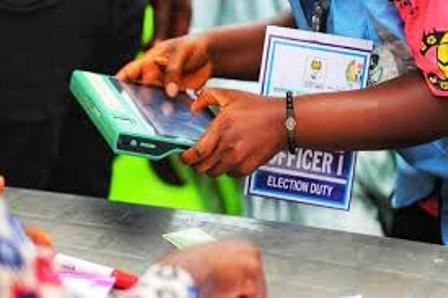
Power instability cripples digital systems: Nigeria’s grid supplies under 5,000 MW for 220 million people, with frequent outages even in urban centers. E-transmission requires constant charging for BVAS devices and network uptime, both vulnerable to blackouts.
Rural polling units often lack generators, risking battery drain mid-process; stress tests show systems collapse without backup power.
Effectiveness Amid Power Woes
On the aspect of speed, real-time uploads cut collation delays. Electricity-limited reality shows that outages halt uploads. 2023 election saw 7 million cyberattacks peak on Election Day. Security measures reduce tampering at collation centers. When there is no power, no verification. Networks will fail 50% including unpenetrated areas
E-transmission inclusion brings instant access via IREV but disenfranchises off-grid voters. Experts like Dr. Segun Olugbile note daily reliance on mobile banking proves tech works, but elections demand scaled infrastructure absent.
Paths Forward
Hybrid models—electronic where feasible, manual fallback—balance ideals with reality, paired with DPI investments in NINs and broadband. Engineers endorse it but warn against compulsion without fixes.
Without electricity reforms, e-transmission risks amplifying distrust rather than resolving it.
Rotimi Asher is the Editor of Business Monitor